Edwin Seno does not make grand gestures. He shows up — quietly, consistently, and almost always at the right moment.
There are friendships that begin loudly and fade with time. And then there are those that begin quietly, shaped by competition, drift naturally through life’s different seasons, and later reassemble themselves around purpose. My friendship with Edwin Seno, co-founder of OTB Africa, belongs to the latter category.
Where It Began: Classrooms and Competition
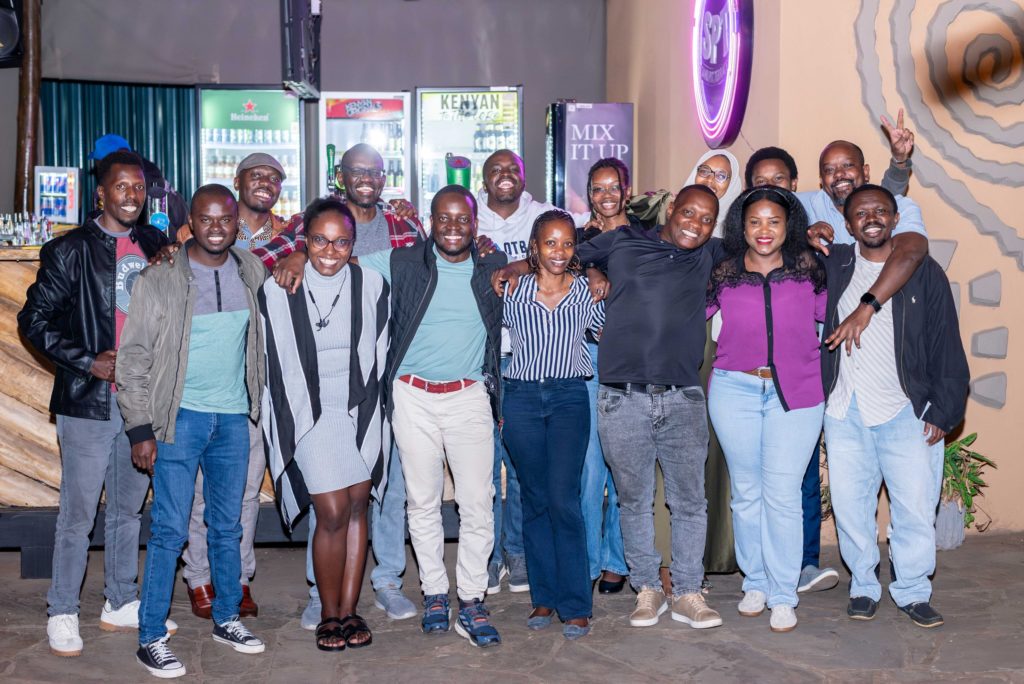
I have known Seno since 1999. We joined the same high school, Upper Hill School, that year, though not the same class at first. He started in 1 Blue while I was in 1 Yellow. By Form 3 and 4, we were together in Blue — two ambitious boys competing quietly, each aware of the other’s capabilities. I was a bit outgoing (read footballer), noisy, and occasionally a troublemaker, while Seno was quiet and studious.
When we graduated, we were the top two students in our school. Nationally, he ranked in the 80s; I ranked 92. I earned a clean A, while he got an A-, largely because Kiswahili, a core subject, pulled his grade down. Having lived abroad before high school, he never quite found full fluency in the language. Even then, excellence was not a performance for him; it was simply his operating system.
In what felt random at the time and inevitable in hindsight, we landed in the same class again at the University of Nairobi, School of Computing and Informatics, to study Computer Science. University, however, began to reveal our different trajectories. He continued to excel, graduating with a First-Class Honours degree. I became average, even struggled at some point, but managed to graduate with a Second Upper.
Yet what stands out most from that period is not the classification of our degrees but his generosity. He helped me with projects and assignments without hesitation. I leaned on our high school relationship; he never withheld support. There was no insecurity in him — only quiet competence.
Diverging Paths After University
After university, life did what life does. We drifted into our respective paths. I moved abroad. He worked briefly, then did something many contemplate, but few execute — he chose entrepreneurship. He co-founded OTB Africa, stepping into the uncertainty of building rather than the safety of employment.
Our interactions over the years were occasional but meaningful. I invited him to exhibit at a workshop I was running during the World Scout Moot in Nairobi in 2010. He showed up with his Linux-running laptop — he was all for open source. Later, I attempted to connect him to a project in Switzerland. These were moments of reconnection, but not yet convergence.
When Friendship Became Partnership
That convergence began in 2017.
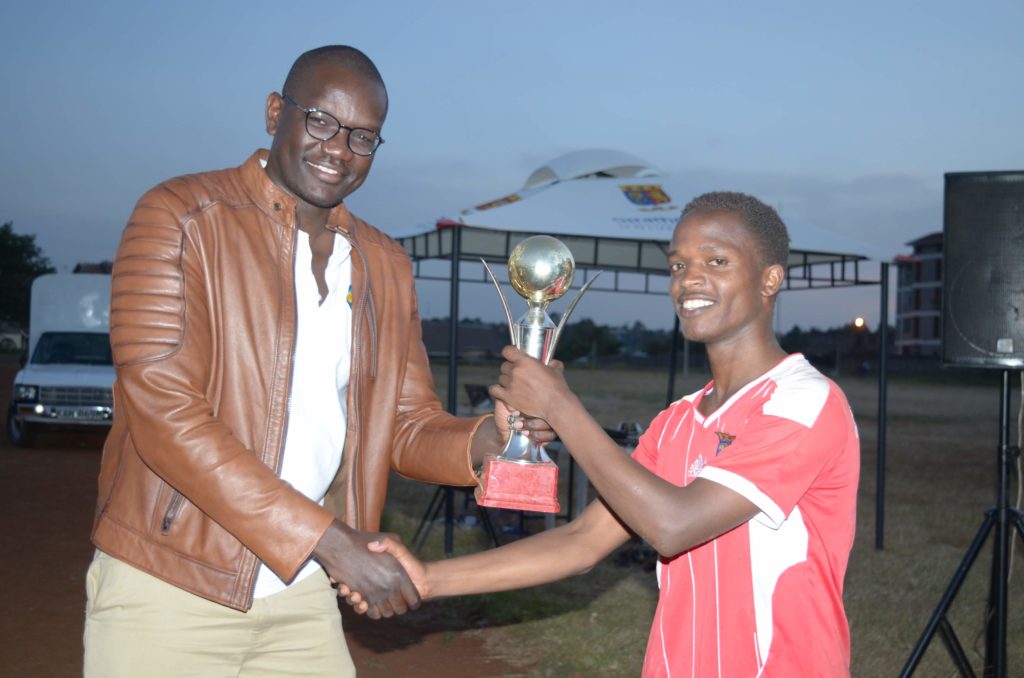
I was organising the first Obama Cup tournament under the theme “Tackling Unemployment through Sport.” As any founder does in the early days, I was calling friends for support. When I reached out to Seno, his response was simple and immediate:
“Sure, Brian. We will sponsor the tournament.”
The amount was modest — KES 50,000 — but the gesture was immense. In 2018, he increased the support. It was never transactional; it was relational. He also made sure to attend the tournaments.
Around that time, I informed him that I would be relocating back to Nairobi to set up and run The Football Foundation for Africa. I still remember his response:
“Karibu hustle, bro.”
It was casual, almost understated. But when I returned in 2019, he embodied those words. He offered me a seat in his office, access to a boardroom, and, more importantly, proximity to his team. They became my quasi-colleagues. In many ways, that space was my soft landing back home.
For any founder who has relocated to build from scratch, you understand what that kind of welcome means. It stabilises the spirit before it stabilises the balance sheet.
Edwin Seno was also instrumental in formalising FFA’s registration in 2020 and in supporting the first attempts to create what would later become the Africa Football for Development Network.
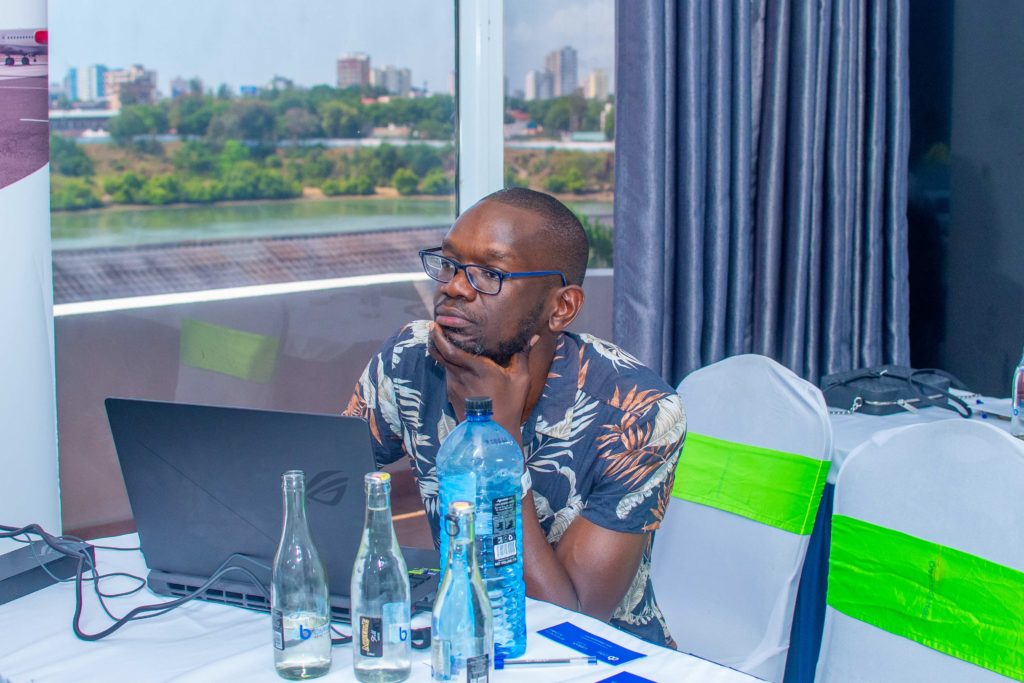
Then came COVID, when uncertainty defined almost every initiative. OTB Africa sponsored the Africa Football Business Show, literally helping to keep FFA afloat. Edwin also joined the FFA’s Advisory Board.
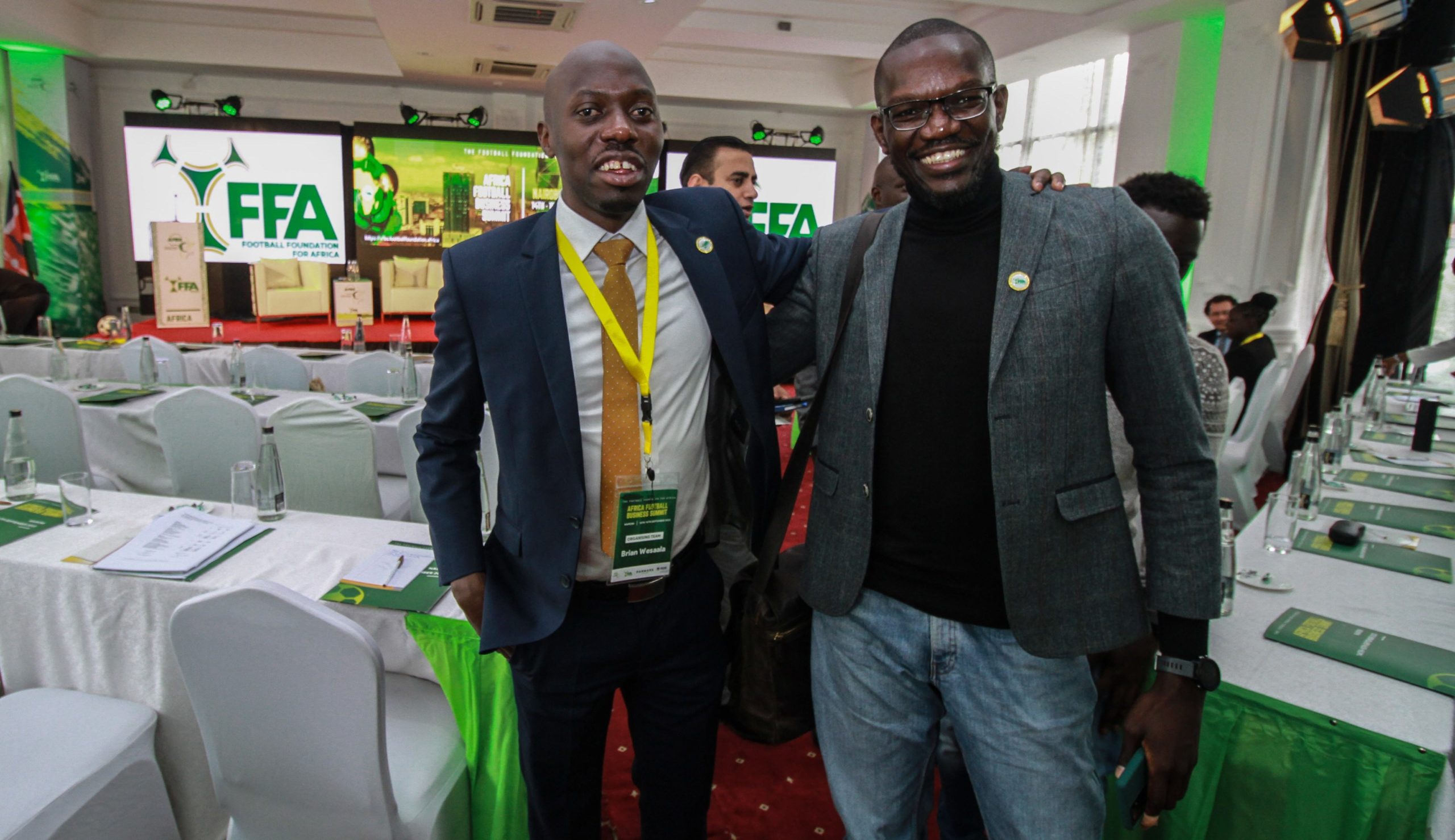
In 2022, together with his brother John, his co-founder at OTB Africa, they supported the first Africa Football Business Summit when the outlook was far from assured. Edwin did not only attach his brand; he showed up in person — and continues to do so quietly. Presence is a currency that cannot be overstated.
From Friendship to Institutions
Now, years later, as we finalise a formal Memorandum of Understanding naming OTB Africa as the Official Technology Partner of FFA, we are, for the first time, putting pen to paper. Coincidentally, this moment comes almost exactly seven years after I relocated back to Nairobi to build FFA — a reminder of how long it often takes for ideas, friendships, and institutions to mature. Yet in truth, the partnership was signed long ago — in shared classrooms, in exam halls, in late-night university assignments, in early sponsorships when vision outweighed evidence, and in an office space offered without conditions.
In many ways, the work we are doing through The Football Foundation for Africa is about the same principle that has defined this friendship — building patiently, building consistently, and building with people who believe before the world notices. Institutions are rarely built alone. They are built through quiet alliances like these.
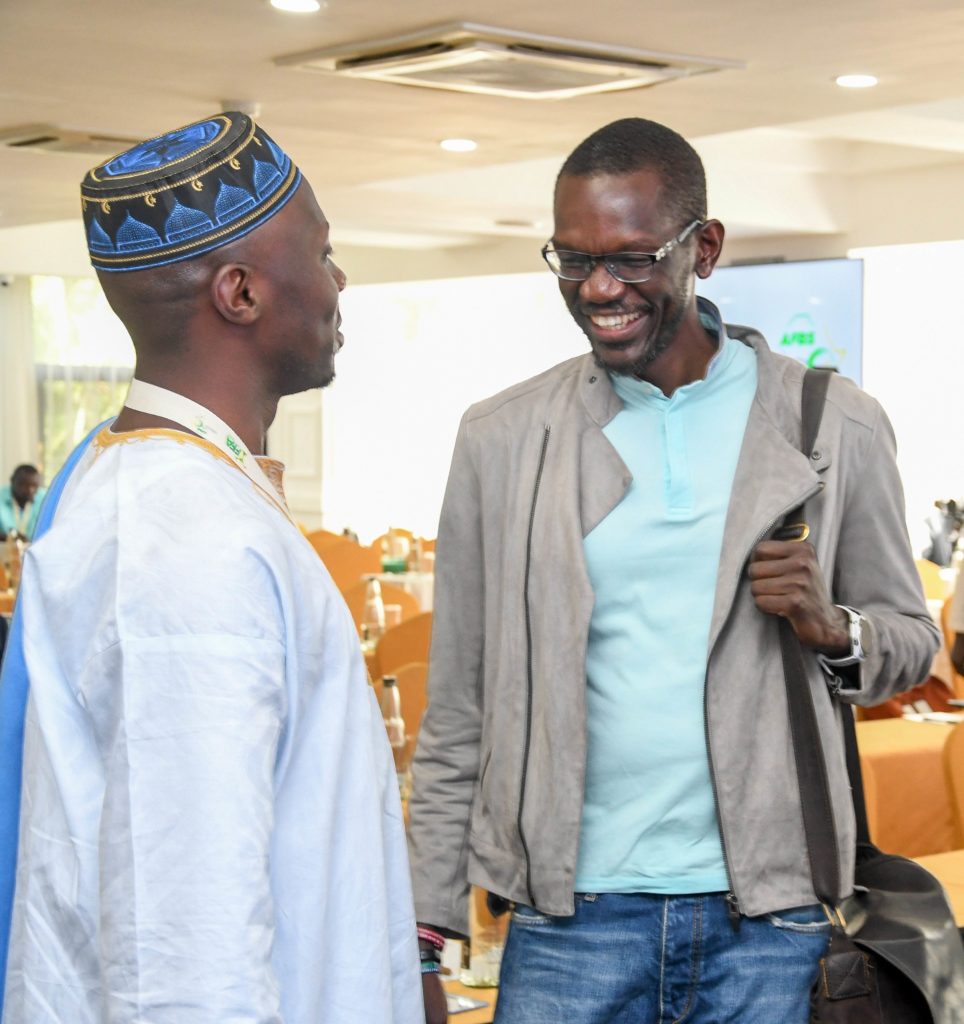
Beyond friendship, this partnership reflects something deeper: the recognition that if African sport is to mature into a serious industry, it must be supported by robust technology infrastructure — from digital platforms and data systems to the governance tools that allow institutions to scale with credibility.
What strikes me most about Edwin is not merely his intelligence or entrepreneurial success. It is his consistency.
From high school to university, from employment to entrepreneurship, from sponsorship to strategic partnership — he has moved with a quiet, steady, disciplined rhythm. In a continent where brilliance is common but institutional consistency is rare, that steadiness is remarkable.
As founders, we often speak about ecosystems, partnerships, and networks. But beneath those formal terms are human beings who choose to believe in you before it is fashionable to do so.
Edwin Seno has been one of those people in my journey.
This is a note of gratitude — not just for sponsorships or board memberships, but for presence, loyalty, and the quiet reinforcement of belief.
Some friendships compete. Some fade. Some evolve into institutions.
Ours is still building.